
Agrotop blog

Flourishing rendering business signals that poultry by-products shouldn’t be overlooked
The rendering of protein – taking all chicken parts that are not required to be eaten and rendering them into a valuable product – appears to hide in the shadow of the poultry industry, but recent evidence indicates that it deserves greater attention.

COVID-19 pandemic and slow recovery disrupts world shipping
The problems of shipping in the COVID-19 have affected the poultry industry in many ways, such as the disruption in the shipping of raw materials for maintaining poultry, and the delays of supply of equipment and building materials.
Chicken meat and eggs cheap protein source for fighting global hunger
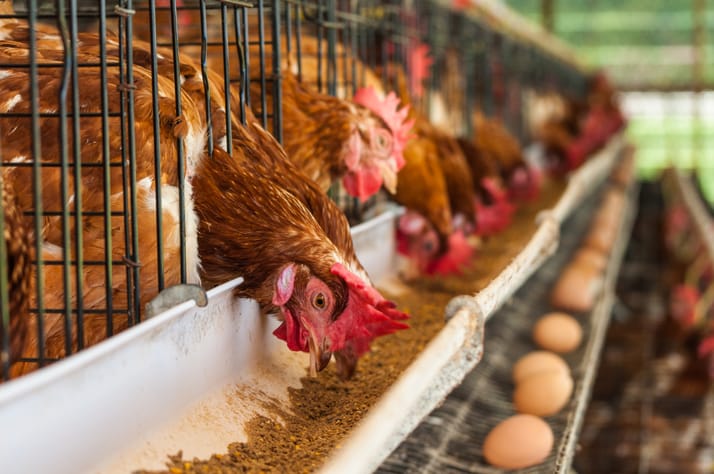
Which came first, the chicken or the egg? is a classic question. But, for leaders of African countries, international charity organizations and large development funds that try to address the global hunger problem, chicken and eggs may provide a credible answer.

Agrotop Israel achieves ISO 9001 quality management certification
Agrotop has earned ISO 9001 quality management standard. The certification indicates that the company manages its quality system based on the international standard.

What to consider when planning a successful integrated layer project
When planning an integrated layer project for pullets, the most important issue is to secure the ability to supply a uniform quantity of eggs to the market at any given time.

Agrotop visits United Arab Emirates (UAE) to strengthen further business ties
After years of operating quietly in the UAE, Bahrain and surrounding countries, Agrotop has started to openly develop its product offering and distribution networks for the region.

How to design your chicken farm to face tropical storms
Climate change can worsen the intensity of tropical storms, such as hurricanes and typhoons, in several ways, including by making record rainfall more likely and by causing sea levels to rise, which can raise the risk of storm surges.
Agrotop builds the first aviary chicken house in Israel
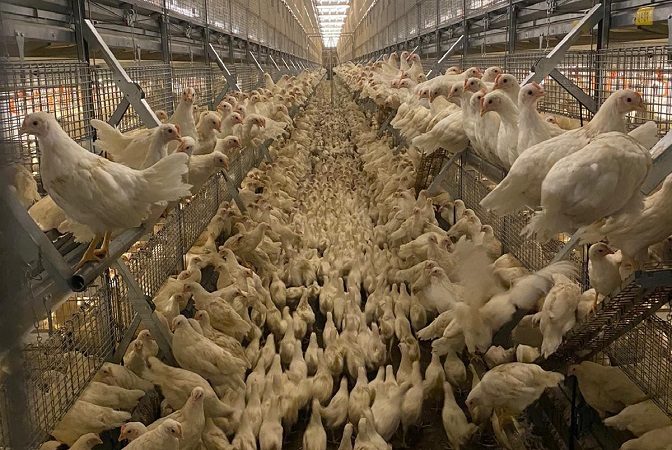
Agrotop recently completed the building of the first aviary rearing layer house in Israel for the Gliksman company, the country’s largest pullets for commercial layers farmer.

Emek Ha’ela project illustrates Agrotop’s vision for future poultry houses
Agrotop has recently completed the second stage of a visionary project for Emek Ha’ela Eggs, which includes two sheds, housing about 110,000 layers.