
Agrotop blog
What are the difference between free-range and pasture eggs?
Once upon a time, choosing which eggs to buy was a simple mission, but today consumers have been faced with a wide variety of choices with confusing names.

Agrotop to expand activities in the UAE, following new peace agreement with Israel
Farming is often accused of contributing to environmental damage. It is worth taking a closer look at how poultry production contributes to greenhouse gas emissions and learn how it’s impact can be reduced.

Global Warming and the poultry industry
Farming is often accused of contributing to environmental damage. It is worth taking a closer look at how poultry production contributes to greenhouse gas emissions and learn how it’s impact can be reduced.

Using sprinklers to keep birds cool
In-shed sprinklers, when used appropriately, reduce the use of evaporative cooling and can save between 200,000–300,000 liters of water per shed per year.
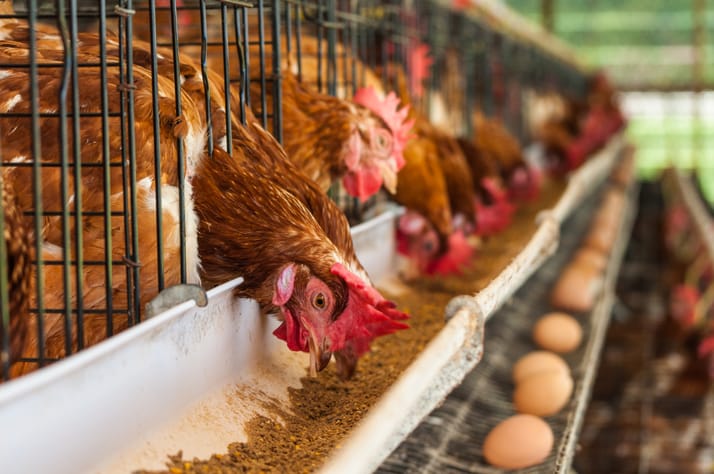
Using chicken meat and eggs as cheap protein source for fighting hunger
Eggs play key role in fighting hunger and malnutrition in poor countries, according to a recent study published by the FAO of the UN.

Easter eggs – from table eggs to confectionery
Many countries around the world witness a sharp increase in egg consumption over the Easter period. This seasonal jump has an immediate impact on the planning of egg production, when flocks are introduced and culled, and it also affects international trade.

A holistic approach to biosecurity; don’t leave it to the vet
The global fight against the Avian influenza has increased interest in the need to endorse strict biosecurity policies to prevent disease spread.

How to run a poultry farm in crisis times such as the coronavirus outbreak
Many businesses close down and ask their workers to continue working from home during a crisis such as the recent outbreak. In the poultry and livestock industry we have no such option. Here are some practical tips that can help all of us to weather the crisis.

Higher buildings for egg production gain popularity as farmers wish to cut costs
In the same way that urban spread can be reduced by high-rise buildings, high-rise poultry buildings can save valuable land footprint.